Pitaya - Case Study
Problem
Avoidant/Restrictive Food Intake Disorder (ARFID) is a lesser-known eating disorder not tied to body image or weight concerns but driven by sensory sensitivities such as smell, texture, or taste. Individuals with ARFID often restrict their diet to a narrow range of foods, excluding entire food groups. This can lead to challenges with social eating, nutritional deficiencies, and broader health impacts.
Context
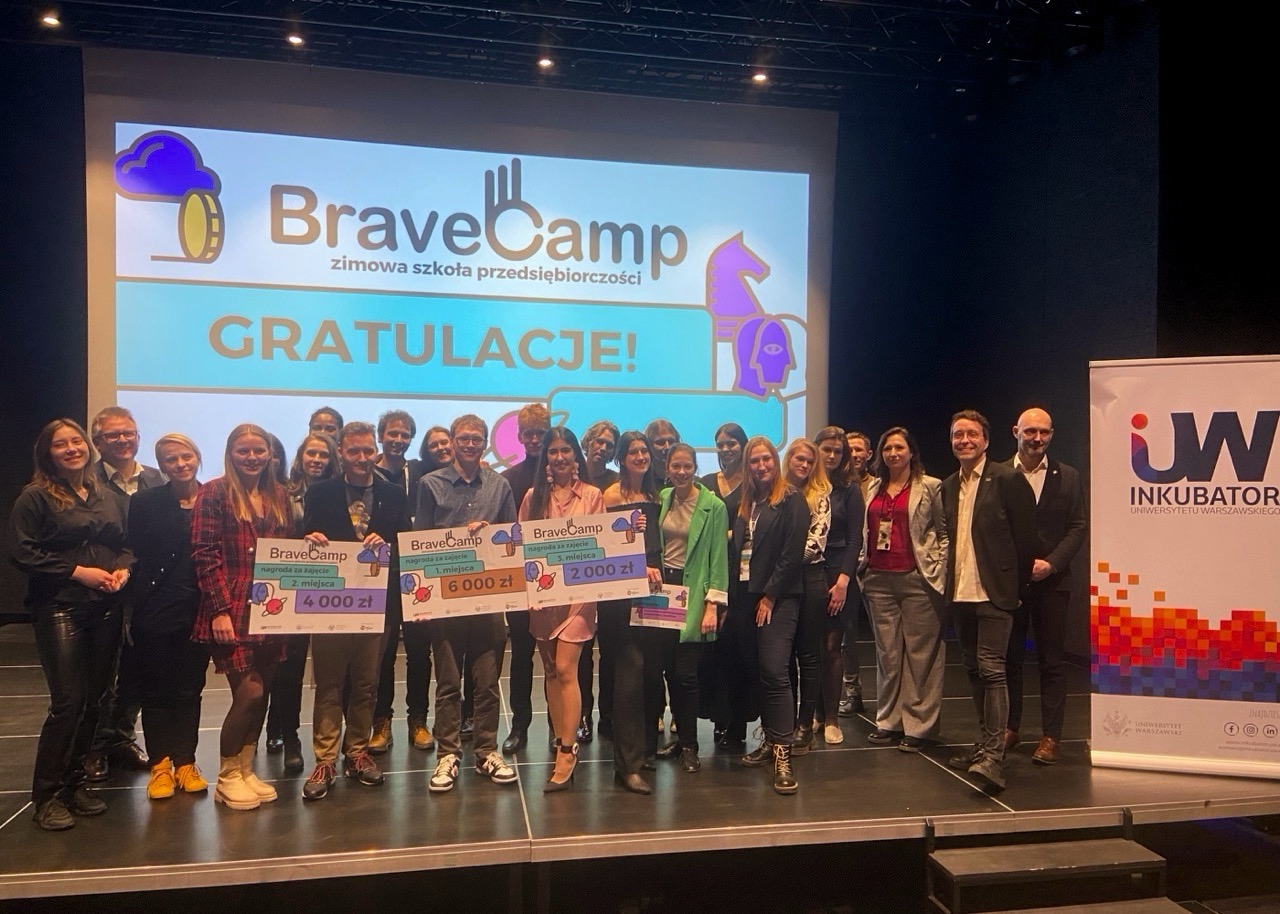
During the ideation phase I participated in University of Warsaw Incubator workshops and won 1st place in a grant competition.
Desk Research
Studies suggest that low intensity psychological interventions, such as mobile apps, can successfully help with eating disorder symptoms (Davey et al., 2023), and while there are many apps offering help for eating disorders, very few apps cater to subtypes of eating disorders. (O’Leary & Torous, 2022).
Two apps tried to specifically support individuals with ARFID:
- Fudo allowed users to rate food categories on a 5 star scale. The app is no longer available to download and there is not much information available about it online.
- Happy Foods allows the user to take pictures of the food they tried this day and rate it using a smiley face scale.
One study tested an app prototype meant to support children with food neophobia by setting food trying goals (Slater et al., 2024). The prototype did not meet expectations, but it successfully sparked discussion about food. In the study parents said that they would like to see a page for each food item with descriptions, as well as the ability to set multiple goals at the same time.
Survey
I decided to create a survey, which reached 37 people with ARFID. I learned that 78% created a food preference list at some point, 97% are interested in using a food list app, 66% are willing to pay for an ARFID related app and 55% are iOS users. I also learned about the features they would like to see in such an app, as well as their concerns.
Persona

- Expand her safe foods list
- Build a healthier, more confident relationship with food
- Anxiety and fear of judgment around her food preferences
- Concerns about privacy
- Ability to journal her relationship with different foods
- Reliable way to learn about food she has not tried
- Suggestions of food she might like
Solution
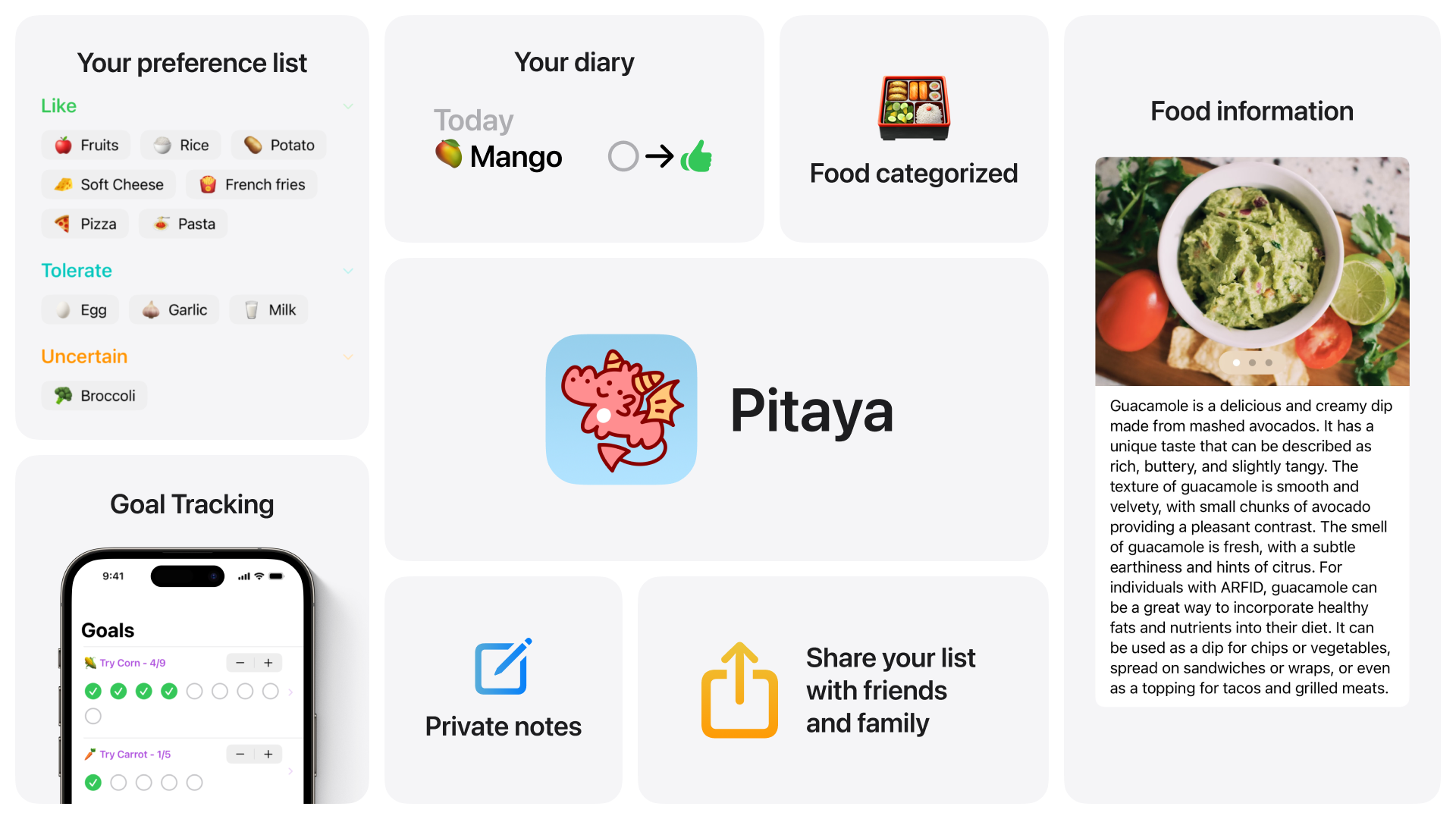
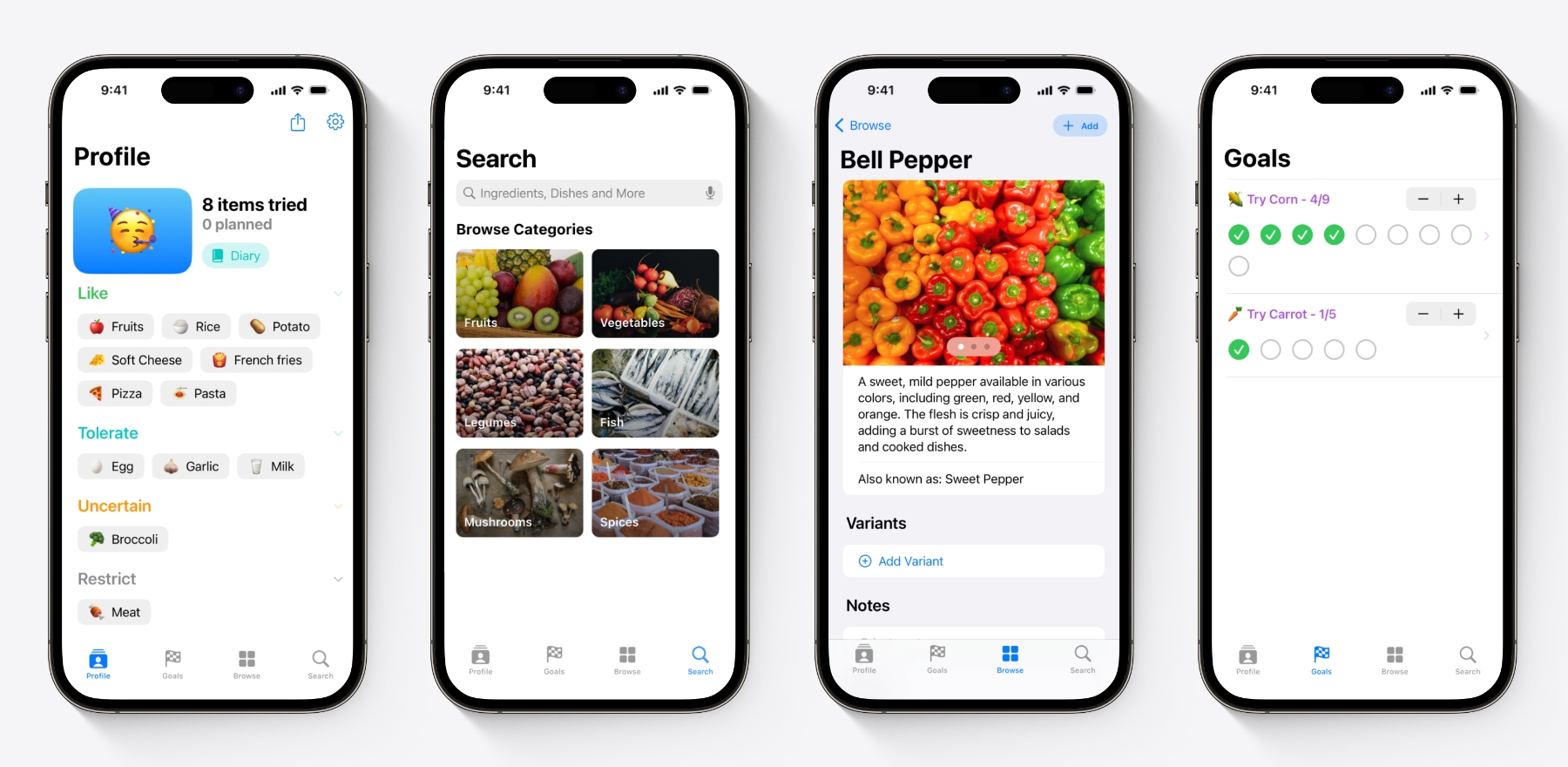
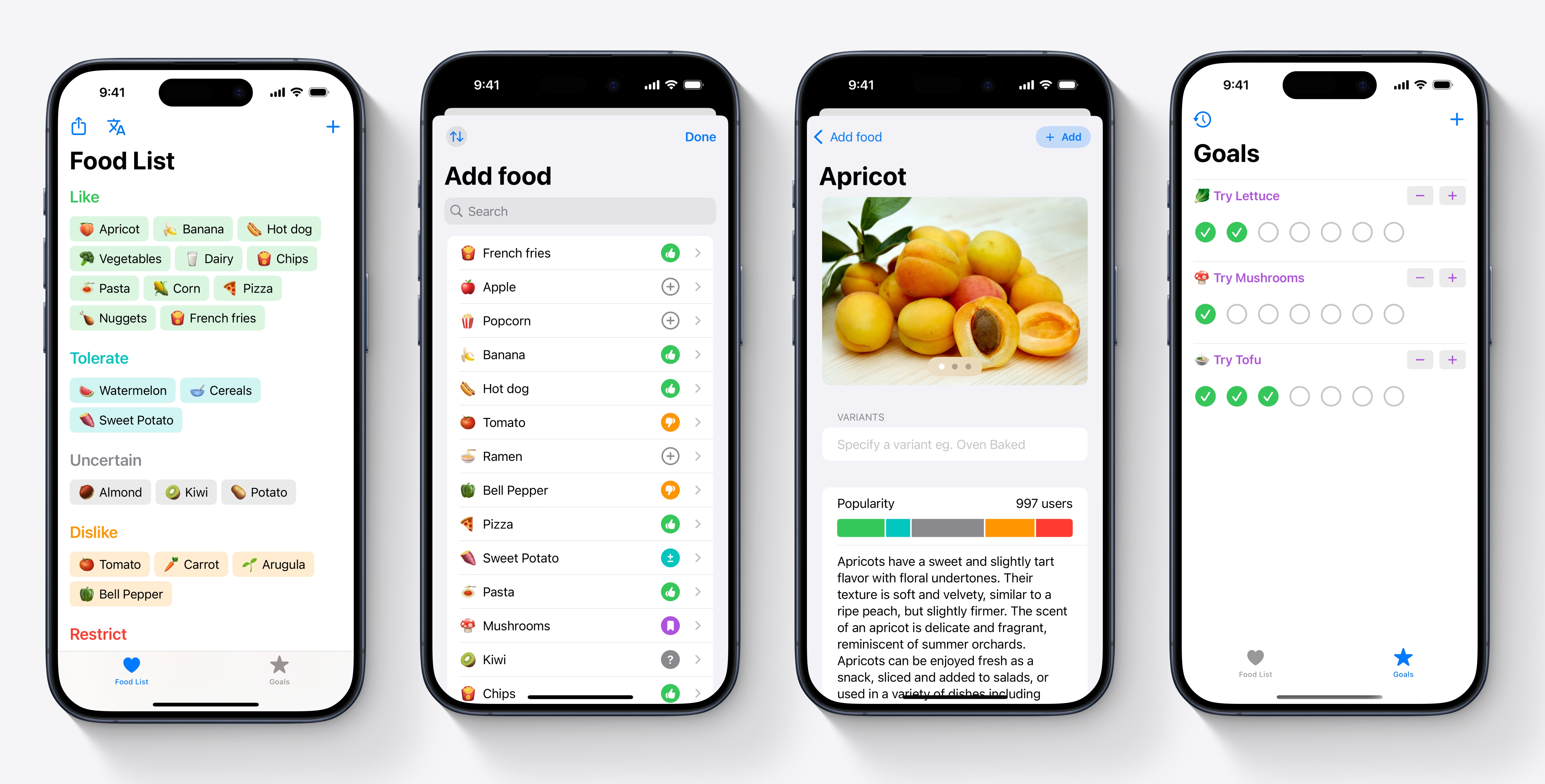
Pitaya provides a structured way to create and manage personalized food lists, helping to reduce food-related stress. While this approach is commonly used in ARFID therapy, there are currently no dedicated digital tools to support it.
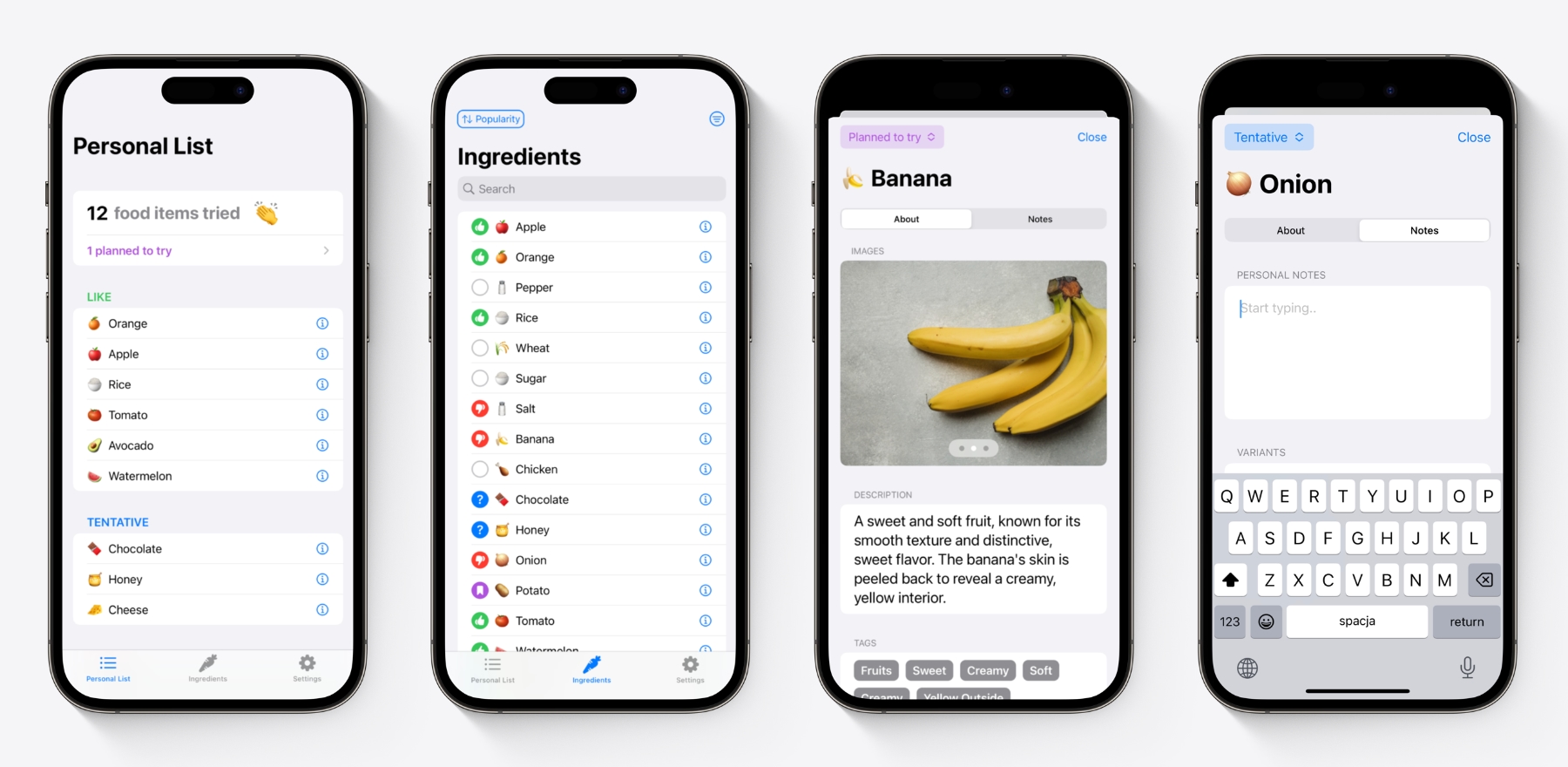
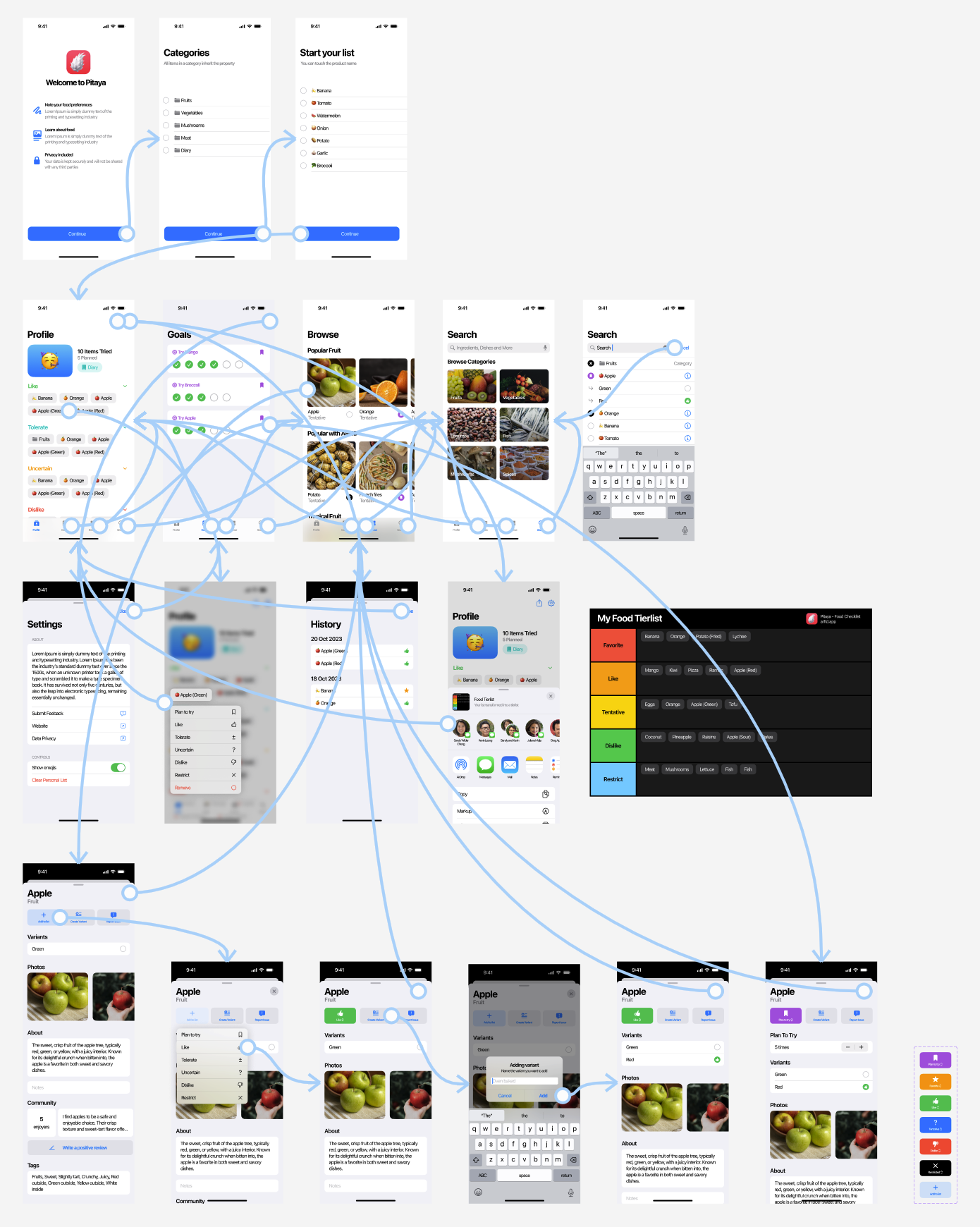
Early Mockups
Usability Testing
I conducted 5 Individual In-Depth Interviews (IDI), and tested the prototype with 20 users. This led to several changes, including:
- Adding a goal-setting feature to encourage trying food multiple times
- Enabling instant database updates via GPT-4 to prevent user disinterest caused by delays
- Allowing users to create variants of products to further specify their preferences
- Adding a share feature to easily share preferences with friends
Implementation
I developed the app using Swift and SwiftUI for iOS, and transcoded it using Skip.tools framework into Kotlin and Jetpack Compose for Android. For the backend I used Node.js, Google App Scripts, GPT-4 API, and Unsplash API. The use of Skip.tools allowed me to maintain a single Swift/SwiftUI codebase while natively targeting Android with Kotlin/Jetpack Compose, saving significant development time and required knowledge.
Outreach
To find users, I tried sharing the app on social media. Each platform had its own rules, and the results were mixed:
- Reddit: I posted the launch announcement on r/ARFID. It received over 550 upvotes, 40k+ views and very supportive comments - becoming one of the most popular posts on that subreddit
- Discord: I used this platform to find testers. The audience there was smaller then on Reddit, but more dedicated and easier to approach
- Facebook: I tried to share the app in ARFID support groups, but they had strict rules and the admins did not let me post
- Product Hunt: I posted the launch announcement there - it got 100+ upvotes and reached #21 for the day, but very few people actually downloaded the app from it. I also received a lot of spam messages offering fake votes. I would not recommend launching there - especially an app targeting a niche audience
Result
20 000+
Downloads
4.9 / 5
Average rating
200+
App Store reviews
Testimonials
 u/samante81
 u/laurenj2210
 u/weirdsituati0n
 u/kush_faerie
 u/SuperNarwhal36-5
Lessons Learned
- Momentum is Key: Delays can reduce engagement significantly
- Set Clear Deadlines: Accountability is essential for solo projects
- Plan Outreach Early: Define channels and core values from the beginning
- Keep Moving Forward: Progress is crucial, even when facing setbacks
Download