Riichi Tracker - Case Study
Problem
Riichi Mahjong, a popular variation of Mahjong, involves complex rules and intricate point counting, making the game challenging to keep scores and learn rules, especially for new players.
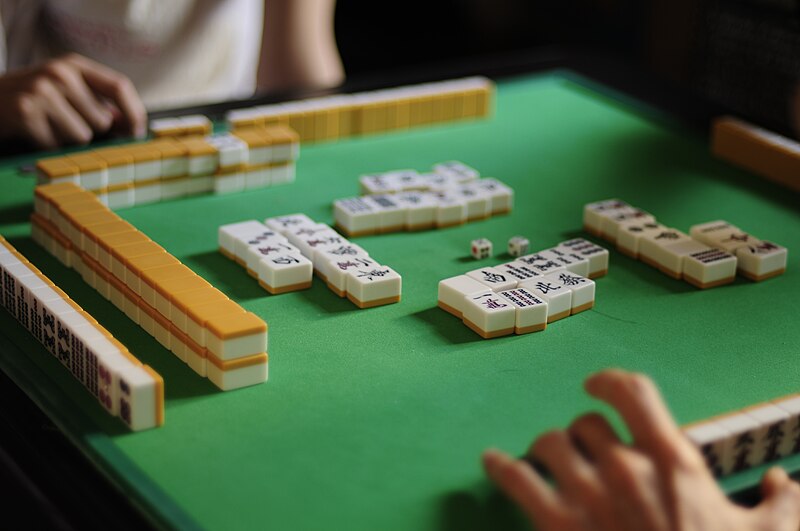
Mahjong Game, source: Wikimedia
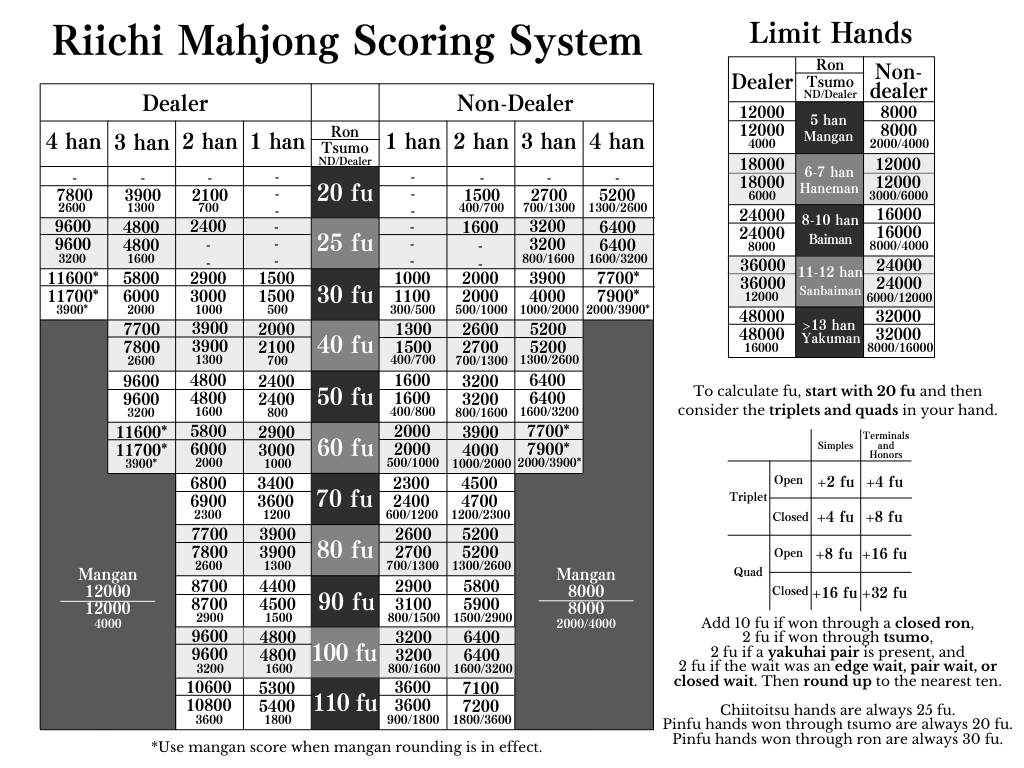
Compact Mahjong Riichi Scoring Table, source: Reddit
Research
As part of a separate project, focusing on mahjong rules, my team conducted 15 interviews (30 minutes each) to explore:
- Preferences in tabletop games
- Gameplay contexts and rule-learning habits
- Familiarity with Mahjong and Poker
We then compared various rule learning methods we found online and through interviews. We analyzed 14 different tabletop game manuals (including 7 Mahjong manuals) and created a questionnaire, which was the basis for the vocabulary we used for that project.
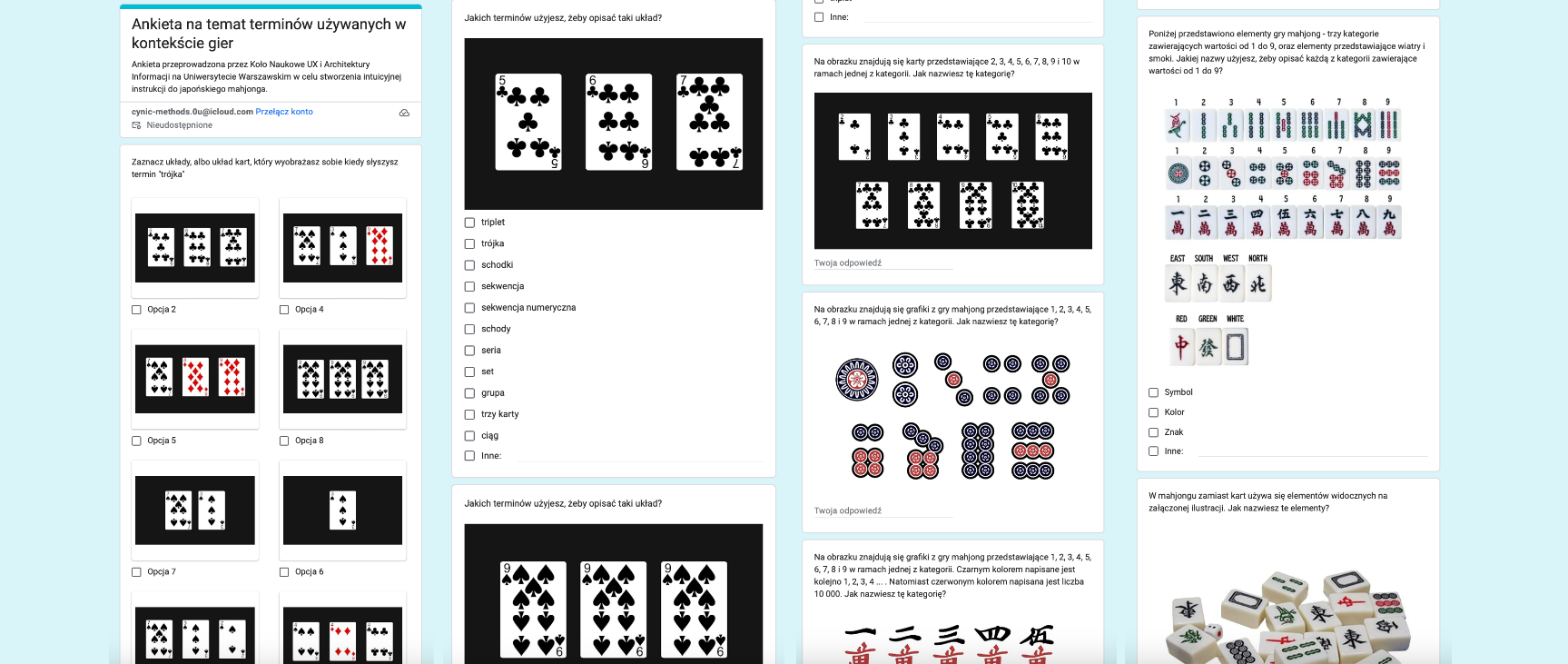
We then conducted 8 Individual In-Depth Interviews (1 and 1.5 hours each), gathering 110 actionable issues, iterating between interviews. This research guided the creation of a full-featured Riichi manual in Polish and was the inspiration for creating an app facilitating mahjong games.

Competition
As part of the design process for Riichi Tracker, I analyzed existing solutions. One popular tool among Mahjong players outside of Japan is an Android application named Mahjong Tracker (Google Play). It's an Android-only app used for game tracking and is noted for its use in many European Mahjong Association tournaments.
Studying this application's user flow helped identify potential areas where Riichi Tracker could aim to offer a distinct user experience and provide unique value.
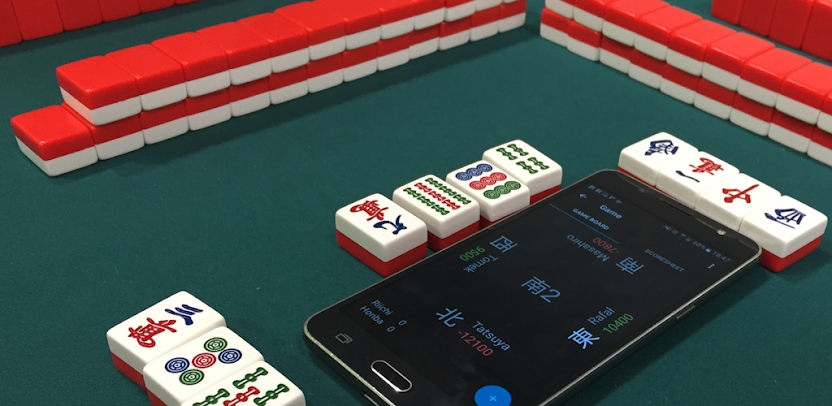
The Mahjong Tracker app, source: Google Play
To understand common usability patterns and potential user pain points, I conducted a Heuristic Evaluation of the Mahjong Tracker app, applying Jakob Nielsen's 10 Usability Heuristics. This analysis provided insights that informed the design goals for Riichi Tracker. Key observations from this evaluation included opportunities to enhance user experience in areas such as:
- Visibility of system status: Some buttons are not clearly marked, making interactions less obvious.
- User control and freedom: The absence of undo options forces players to restart the round input after an error.
- Error prevention: A multi-step input process increases the likelihood of mistakes.
- Efficiency: Lack of shortcuts makes the round input cumbersome for experienced users.
To confirm these observations, I spoke with players from one of the local Warsaw Mahjong Leagues and participated in a live gameplay session with them using the Mahjong Tracker application. I also spoke with experienced players from around the world in VRChat.
 Riichi Mahjong in VRChat
Personas

- Refine advanced tile efficiency and discard strategies
- Quickly track scores during tournaments
- Limited time between rounds
- Cumbersome input processes that interrupt gameplay
- A competitive tool optimized for speed
- Integrated analysis tools with minimal input steps
- Master basic scoring rules
- Be able to easily intuitively input hand scores
- Difficulty remembering the rules
- Frustration with complex input methods that require additional learning
- Simple, user-friendly interface for easy score input
- Step-by-step guidance

User Flow

I decided to focus on creating a great round input experience, as I found the competition struggle in that area. To minimize the learning curve and reduce cognitive load during fast-paced tournaments, I intentionally adopted the established industry-standard layout for the main board. Maintaining the familiar 4-way directional view and standard tab structure (Game Board / Scoresheet) ensures users can migrate to Riichi Tracker without needing to relearn basic navigation.
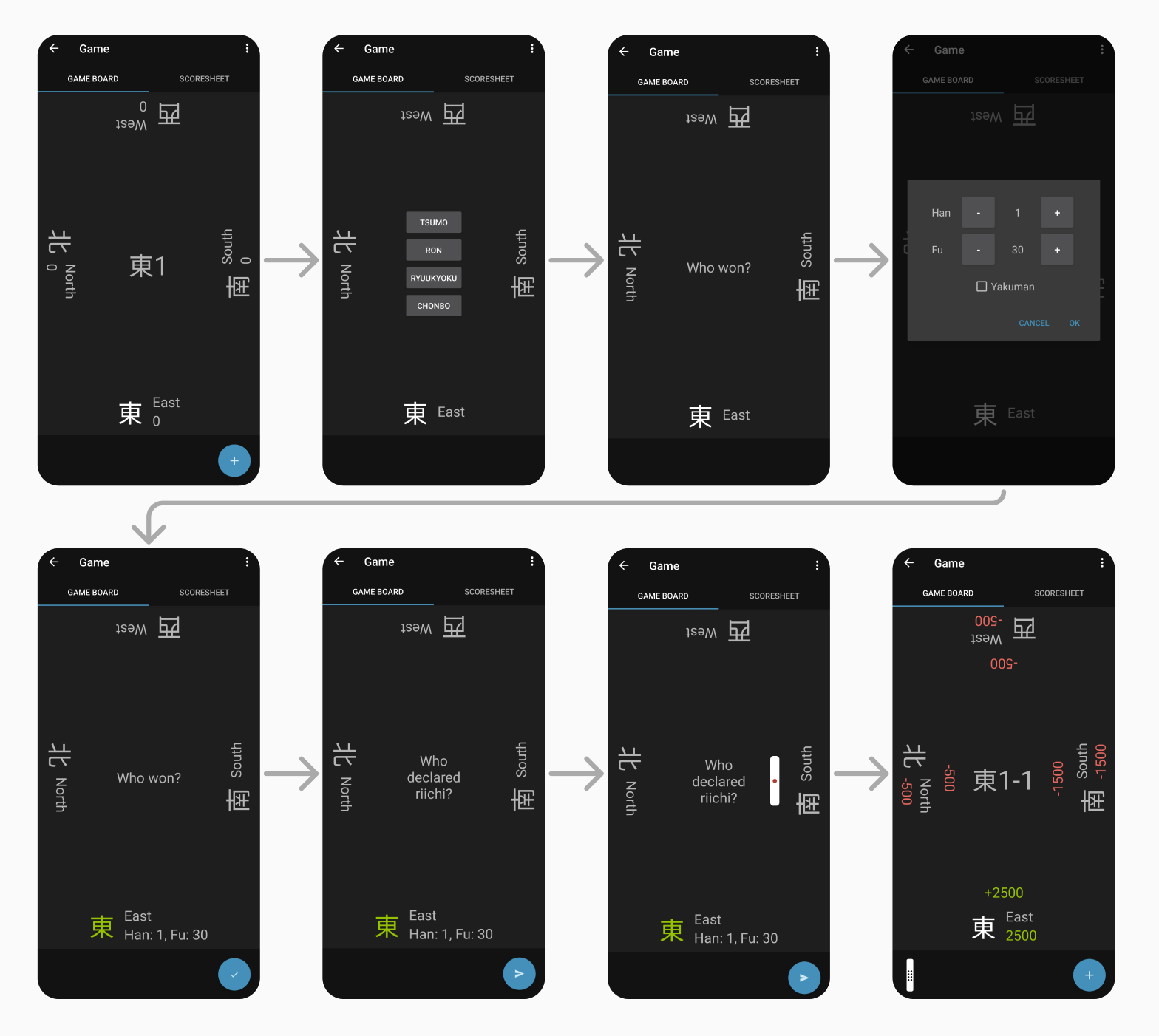 Round Input Flow in the Mahjong Tracker app, source: Google Play
Solution
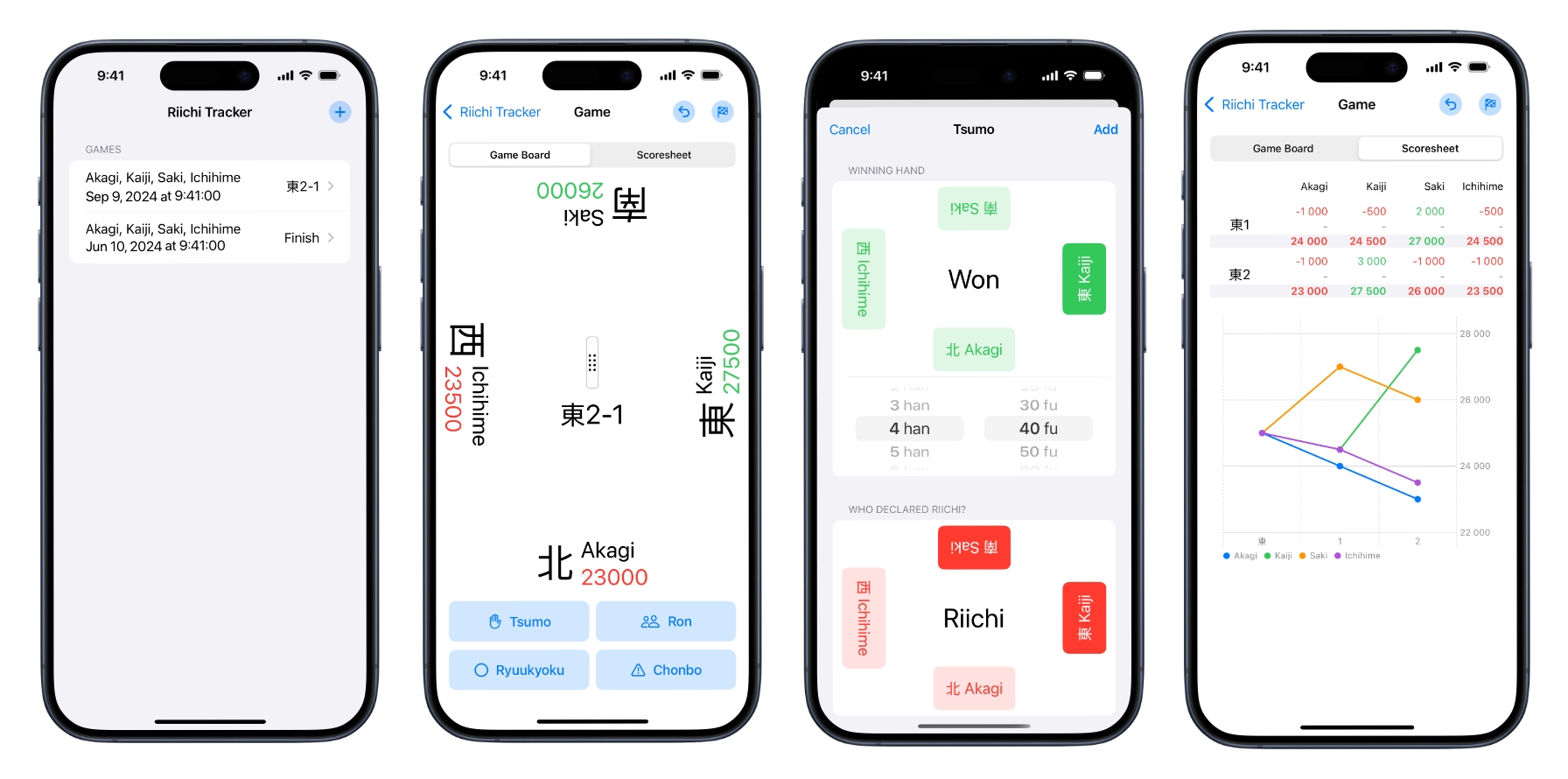
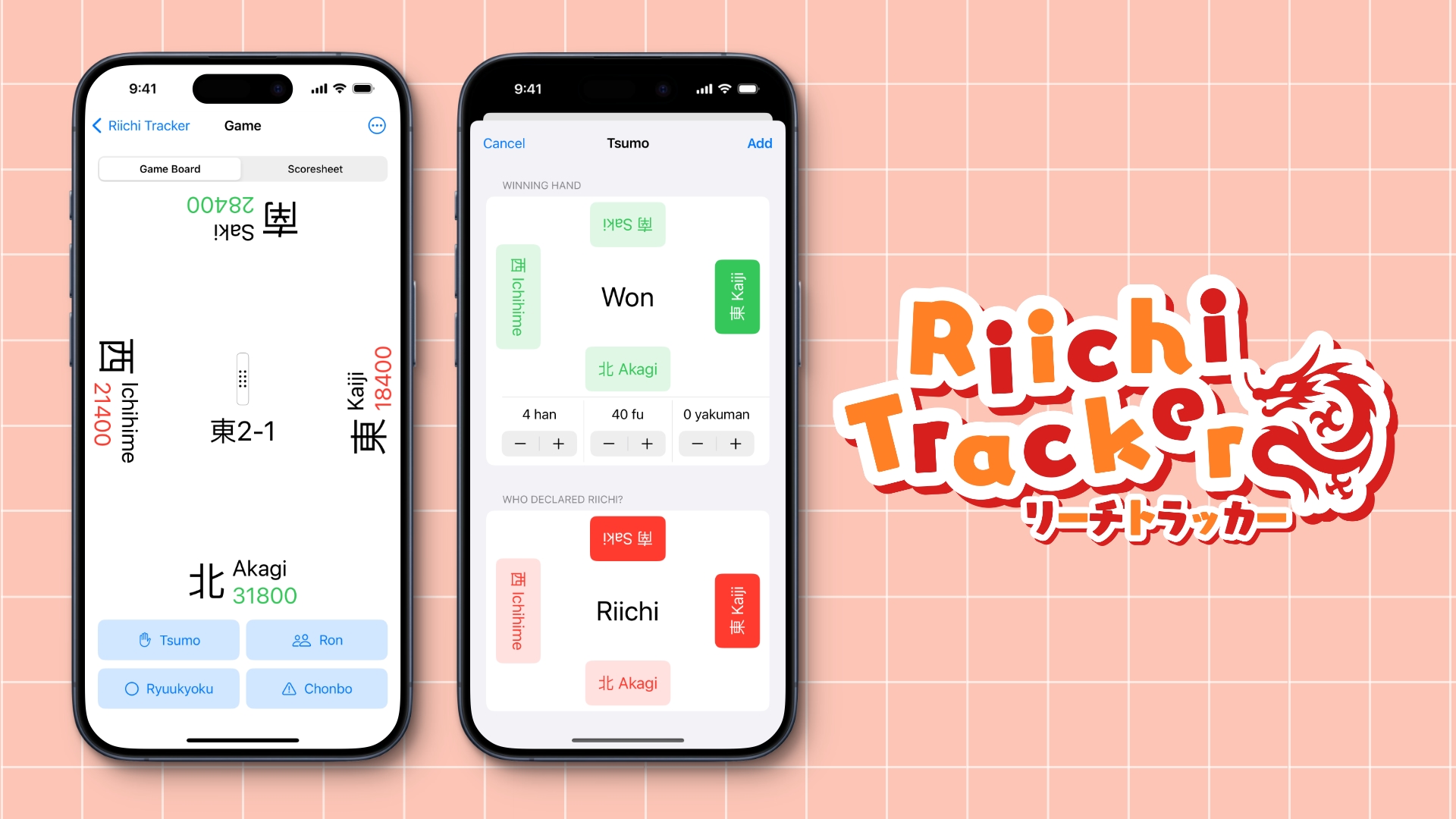
Riichi Tracker is an iOS app designed to simplify and enhance scorekeeping for Riichi Mahjong. The app focuses on a clean, intuitive experience while addressing user pain points. It utilizes Swift, SwiftUI, SwiftData, and Swift Charts to build the app, taking advantage of native iOS components to enhance usability and performance.
- Native iOS Design: While the competitor's Android app relies on a single dark-mode interface, Riichi Tracker was designed and built from the ground up adhering strictly to Apple’s Human Interface Guidelines, offering a look and feel familiar to iOS users.
- Simplified Hand Input: The hand input method consolidates all necessary information into a single sheet, making it easier for users to log rounds without navigating through multiple screens. The hand input clearly shows what is a button and features a wheel input for scores, requiring fewer taps.
- Integrated Score Chart: Including the score chart directly in the app, rather than relegating it to a website, provides a more seamless and informative experience.
- Offline Capability: Unlike the Android app previously discussed, Riichi Tracker works offline, ensuring uninterrupted gameplay.
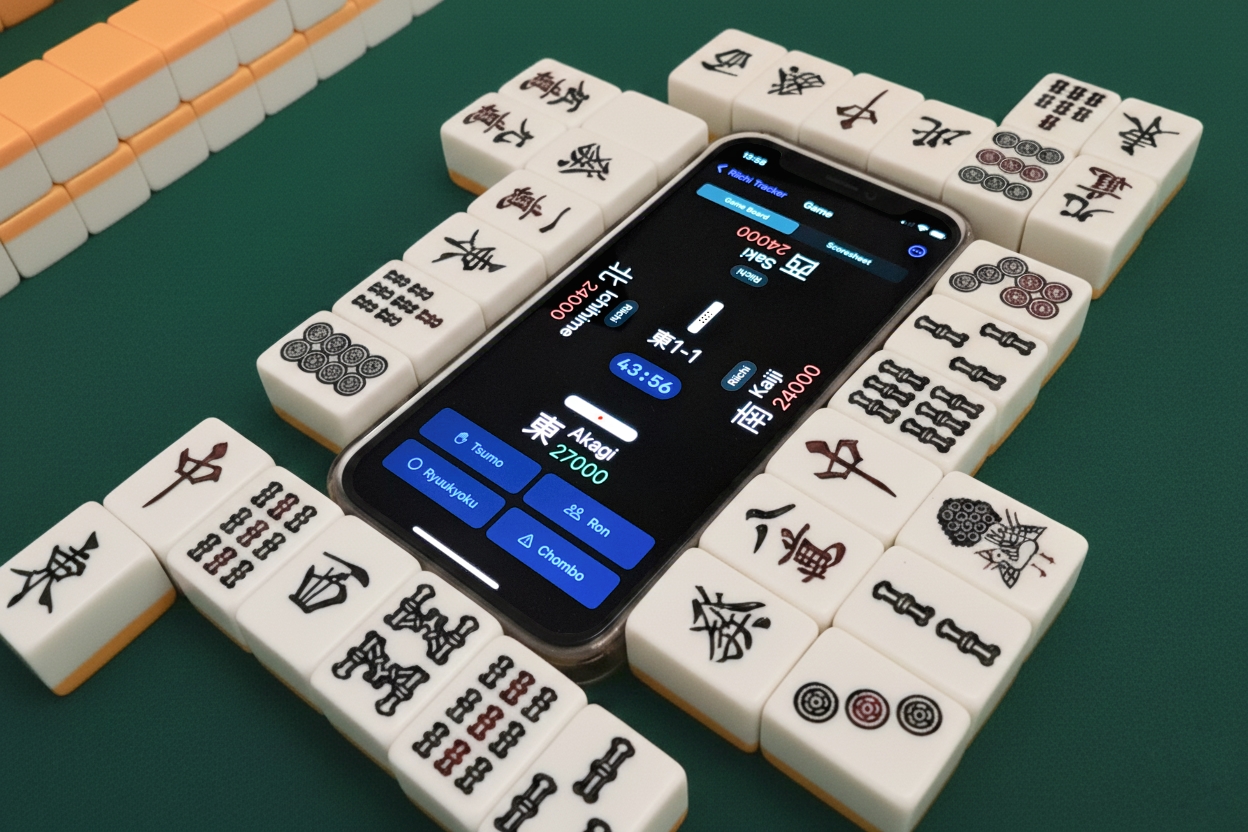
- Time Tracking: Ability to track game time in the app, without the need to rely on an external timer
- Digital Riichi: Ability to play without any point counters, which are not included in cheapest mahjong sets
Download